make known the great biodiversity existing in the microbial world and relate the ecophysiological aspects of microorganisms to the functioning of the biogeochemical cycles that govern the terrestrial ecosphere. Know the possibilities of environmental application presented by the biotechnology of higher organisms
- Teacher: Dr.SOMYSOMAN FACULTY

A14-Intelletual property rights
This is for IV semester Bsc Biotechnology students.This course instructor is Dr.SomySoman
objective of the course:To recognize the importance of IP and to educate the pupils on basic concepts of Intellectual Property Rights. 2. To identify the significance of practice and procedure of Patents. 3. To make the students to understand the statutory provisions of different forms of IPRs in simple forms. 4. To learn the procedure of obtaining Patents, Copyrights, Trade Marks &Industrial Design 5. To enable the students to keep their IP rights alive.
course modules:
Module 1: Overview of intellectual property (Hours: 4) Introduction and the need for intellectual property right (IPR). IPR in India – Genesis and Development. Some important examples of IPR.
Module 2: Patents (Hours: 10) Macro-economic impact of the patent system. Patent and kind of inventions protected by a patent. Patent document. How to protect your inventions? Granting of patent. Rights of a patent. How extensive is patent protection? Why protect inventions by patents? Searching a patent. Drafting of a patent. Filing of a patent
Module 3: Copyright (Hours: 10) What is copyright? What is covered by copyright? How long does copyright last? Why protect copyright? Related rights: What are related rights? Distinction between related rights and copyright. Rights covered by copyright.
Module 4: Trademarks (Hours: 14) Definition of trademark. Rights of trademark. Kinds of signs that can be used as trademarks. Types of trademark. Function that a trademark performs. How is a trademark protected? How is a trademark registered? How long is a registered trademark protected for? How extensive is trademark protection? What are well-known marks and how are they protected? Domain name and how does it relate to trademarks?
Module 5: Geographical Indications (Hours: 4) What is a geographical indication? How is a geographical indication protected? Why protect geographical indications?
Module 6: Industrial Designs (Hours: 10) What is an industrial design? How can industrial designs be protected? What kind of protection is provided by industrial designs? How long does the protection last? Why protect industrial designs?
Module 7: Biotechnology and IPR (Hours: 20) Rationale for Intellectual Property Protection in biotechnology. Concept of Novelty in Biotechnological Inventions. Concept of Inventive Step in Biotechnological Inventions. Microorganisms as Biotechnological Inventions.
Patenting biological inventions. Patenting microorganisms. Patenting other biological processes and products. Protection of new varieties of plants. Justification for Protection. Biotechnology and International Treaties such as Convention on Biological Diversity and TRIPs.
- Teacher: Dr.SOMYSOMAN FACULTY
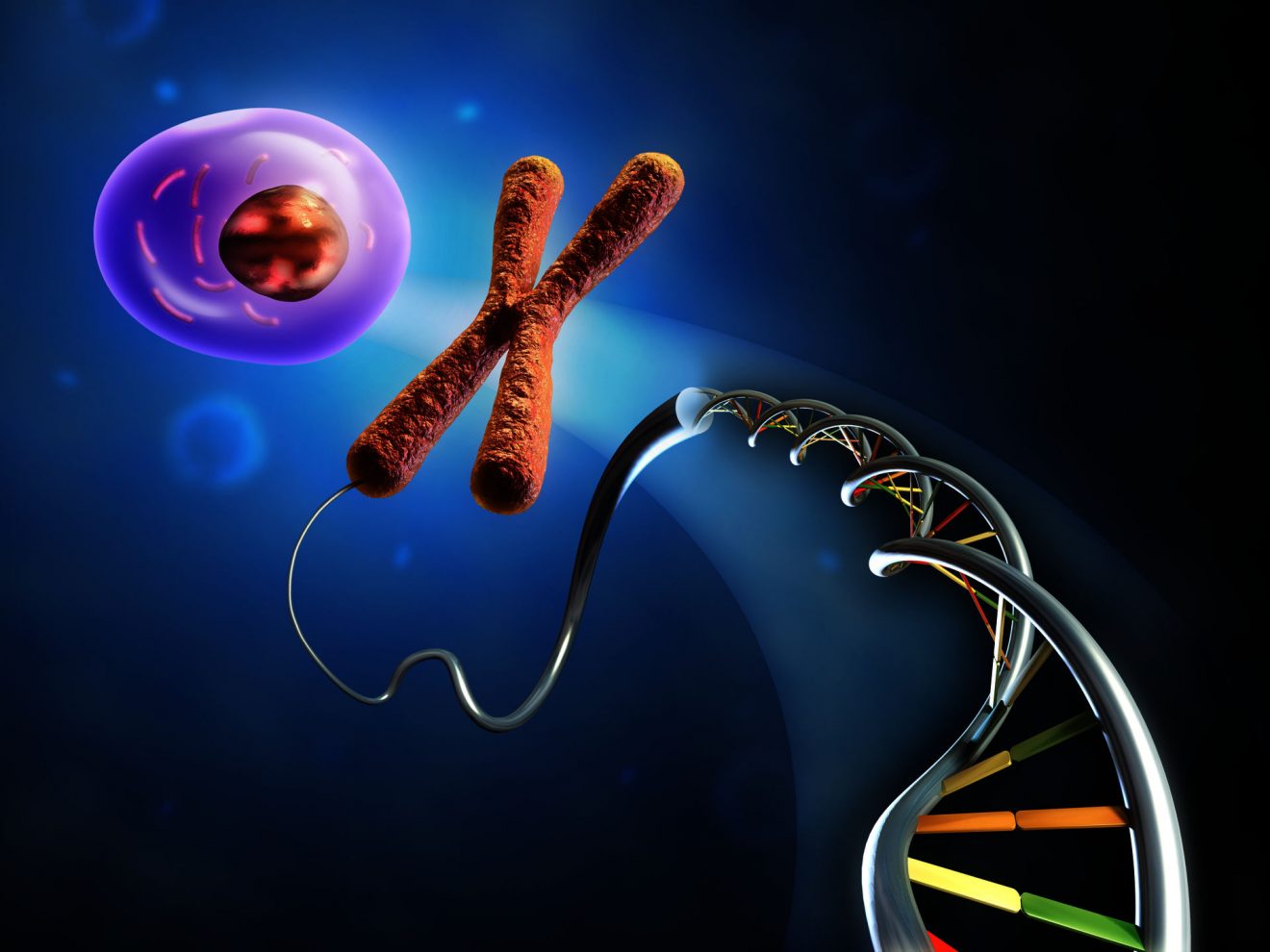
BTY6B15. RECOMBINANT DNA TECHNOLOGY AND BIOINFORMATICS
This course offered to the VIth Semester BSc Biotechnology students of University of Calicut.
Course Instructor: Dr. Mashhoor K.
Objectives of the course
To provide the idea on Recombinant DNA technology, its importance and application of recombinant DNA technology
Content:
1. Introduction to gene cloning, enzymes and basic tools involved in gene cloning. (5 hrs)
2. DNA sequencing methods, hybridization techniques (Northern, southern, western
blotting), In Situ hybridiztion, PCR (variation RtPCR), DNA finger printing- RFLP,
RAPD, AFLP and STR analysis. Isolation and purification of total cell DNA
(10 hrs)
3. Cloning vectors in prokaryotes and eukaryotes (pBr 322, puc 18, M13, cosmids, Phagemids, phasmids, yeast vectors, Animal viral vectors - SV40, Plant viral vectors - CaMV, Agrobacterium – Tiplasmid. (10 hrs)
4. Introduction of recombinant DNA into living cells an overview. Selection and screening
of recombinant clones.
(10 hrs)
5. Application of r-DNA technology - production of recombinant proteins, vaccines,
Transgenic plants. (Insect resistance, disease resistance), Transgenic animals - molecular
pharming.
(10 hrs)
6. Introduction to bioinformatics, pattern recognition and prediction, biological databases,
primary and secondary sequence databases, composite protein sequence databases, pair
wise alignment technique; database searching NCBI, EMB, FASTA, BLAST BITS etc.
algorithms and programmes, comparison of two sequences, global and local alignment –
multiple sequence alignment
(9 hrs)
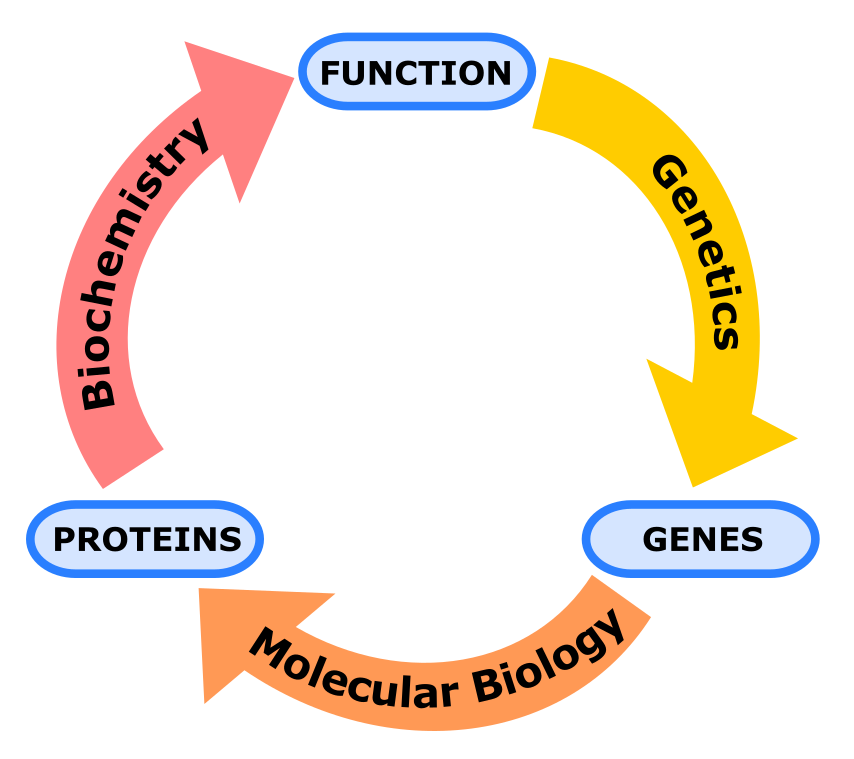
branch of science dealing with the study of all the life processes such as control and coordination within a living organism is called Biochemistry.
This term was introduced to us by Carl Neuberg, the father of biochemistry in the year 1930. This field combines biology as well as chemistry to study the chemical structure of a living organism. The biochemists get into the investigation of the chemical reactions and combinations which are involved in various processes like reproduction, heredity, metabolism, and growth, thus performing research in different kind of laboratories.
Introduction to Biochemistry includes wide areas of molecular biology as well as cell biology. It is relevant to molecules that make up the structure of organs and cells which is the molecular anatomy. It describes carbon compound and the reactions they undergo in living organisms. It also describes molecular physiology, which is the functions of molecules in carrying out the requirements of the cells and organs.
It mainly deals with the study of the structure and functions of the biomolecules such as the carbohydrates, proteins, acids, lipids. Hence, it is also called to as Molecular biology.
- Teacher: Dr.SOMYSOMAN FACULTY
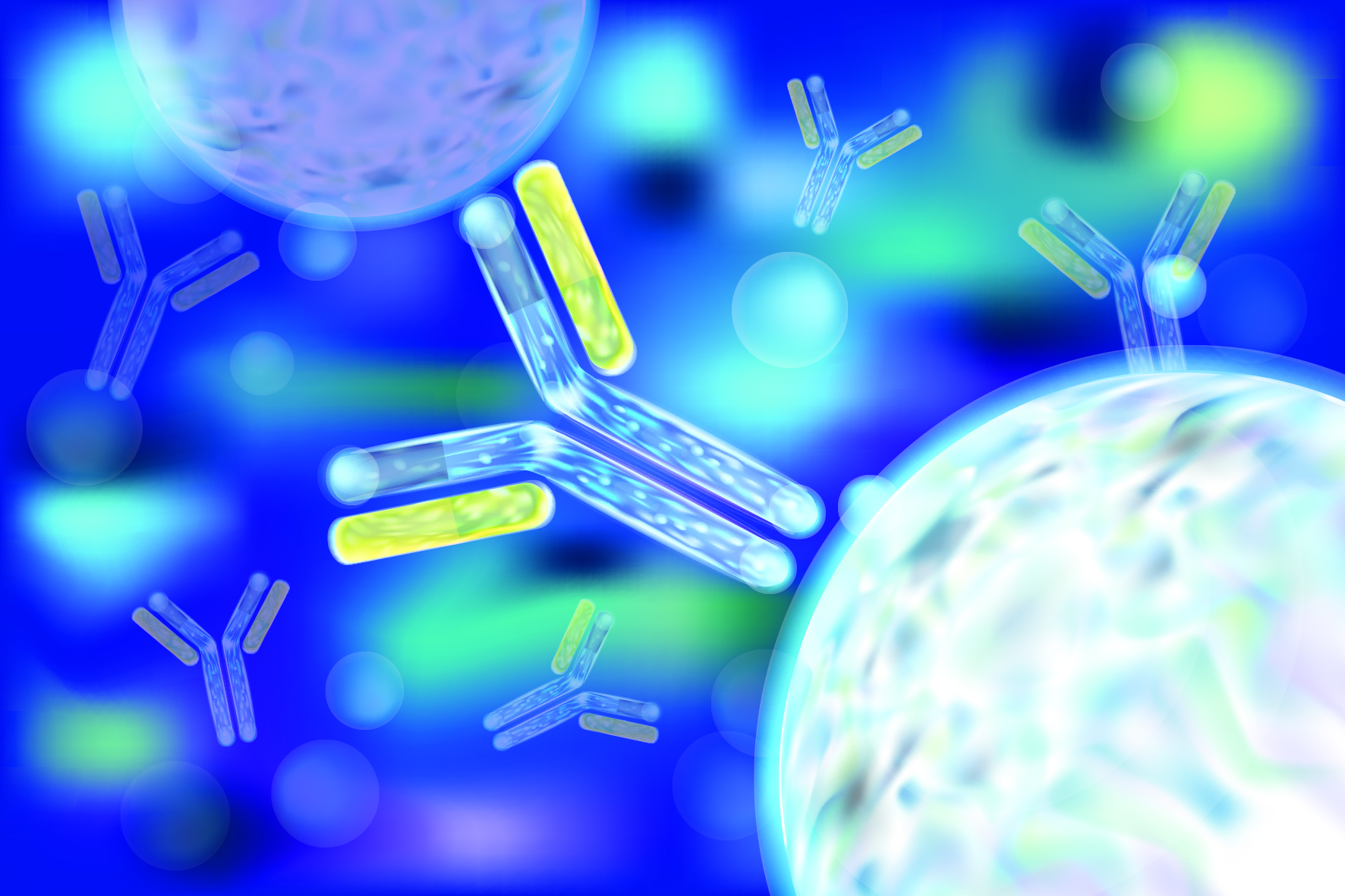
Immunology is a branch of biology that covers the study of immune systems in all organisms.Immunology charts, measures, and contextualizes the physiological functioning of the immune system in states of both health and diseases; malfunctions of the immune system in immunological disorders (such as autoimmune diseases, hypersensitivities, immune deficiency,and transplant rejection); and the physical, chemical, and physiological characteristics of the components of the immune system in vitro,in situ, and in vivo. Immunology has applications in numerous disciplines of medicine, particularly in the fields of organ transplantation, oncology, rheumatology, virology, bacteriology, parasitology, psychiatry, and dermatology.
The term was coined by Russian biologist Ilya Ilyich Mechnikov, who advanced studies on immunology and received the Nobel Prize for his work in 1908. He pinned small thorns into starfish larvae and noticed unusual cells surrounding the thorns. This was the active response of the body trying to maintain its integrity. It was Mechnikov who first observed the phenomenon of phagocytosis, in which the body defends itself against a foreign body.
Prior to the designation of immunity,from the etymological root immunis, which is Latin for "exempt", early physicians characterized organs that would later be proven as essential components of the immune system. The important lymphoid organs of the immune system are the thymus,bone marrow, and chief lymphatic tissues such as spleen, tonsils, lymph vessels, lymph nodes, adenoids, and liver. When health conditions worsen to emergency status, portions of immune system organs, including the thymus, spleen, bone marrow, lymph nodes, and other lymphatic tissues, can be surgically excised for examination while patients are still alive.
Many components of the immune system are typically cellular in nature and not associated with any specific organ, but rather are embedded or circulating in various tissues located throughout the body.
- Teacher: SHILLYDAS A. FACULTY